
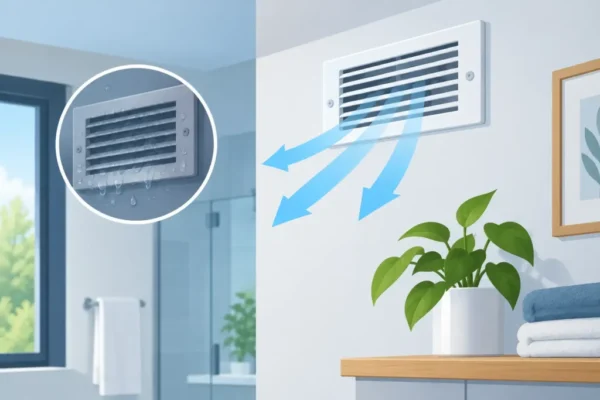
A damp ring around a bathroom ceiling vent, water near a dryer, or dripping from an exterior hood is not something to ignore. Learning how to prevent vent condensation can help protect your insulation, drywall, indoor air quality, and the equipment that keeps your home comfortable. More importantly, it helps you catch small ventilation problems before moisture turns into mold growth, material damage, or a costly repair.
Condensation is often blamed on cold weather alone. Cold weather does play a role, but it is usually only part of the problem. Warm, humid air needs a path out of your home. When that air meets a cold, poorly insulated, blocked, or improperly installed vent line, the moisture in it can turn back into water.
Why Vent Condensation Happens
Everyday activities add moisture to indoor air. Showers, cooking, laundry, and even normal breathing raise humidity levels. Exhaust systems are meant to remove that moisture outdoors before it has a chance to settle inside the home.
Trouble starts when warm exhaust air cools too quickly inside a duct. The water vapor then condenses on the inside of the vent pipe. Depending on the setup, that water may drip back through a bathroom fan, collect around a dryer connection, soak insulation in an attic, or leak near an exterior vent cap.
The most common causes are uninsulated ductwork in a cold attic or crawlspace, long vent runs, poor duct slope, crushed or disconnected lines, exterior caps that do not open properly, and restricted airflow from lint or debris. In some homes, the vent is simply not the right type or size for the appliance it serves.
A little surface moisture on an exterior vent hood during a cold morning can be normal. Water appearing inside the home, recurring stains, musty odors, or visible dripping are not. Those signs call for a closer look.
How to Prevent Vent Condensation Before It Causes Damage
The right fix depends on which vent is affected. A bathroom fan, dryer vent, kitchen exhaust, HRV or ERV line, and heat pump drain system all handle moisture differently. Still, a few principles apply to almost every residential exhaust line.
Keep warm, moist air moving outside
Airflow is the first defense against condensation. When an exhaust fan or dryer cannot move air efficiently, warm moisture stays in the duct longer and has more time to cool and collect.
For bathroom fans, run the fan during showers and for at least 20 minutes afterward. If the room stays steamy or mirrors remain fogged long after a shower, the fan may be undersized, dirty, or connected to a restricted vent line. A timer switch can be a practical upgrade for busy households because it keeps the fan running after you leave the room.
For dryers, do not ignore longer drying cycles, a hot laundry room, a burning smell, or lint around the outside vent hood. These can point to a clogged or damaged dryer vent. Restricted dryer airflow is not only a moisture issue. Lint buildup is a serious fire hazard and should be addressed promptly.
Insulate ducts that pass through cold spaces
Vent lines that run through unheated attics, garages, crawlspaces, and exterior walls are especially likely to sweat in winter. Insulation slows the temperature change between warm exhaust air and the cold surface of the duct.
Bathroom and other moisture-carrying exhaust ducts in cold areas should generally be insulated with duct insulation that is appropriate for the application. The insulation needs to fit continuously and be properly sealed. Gaps in the insulation can become cold spots where condensation still forms.
Insulation is not a substitute for correct installation. If a duct is sagging, leaking, disconnected, or routed poorly, wrapping it may hide the symptom without solving the source of the problem. A professional inspection can identify whether insulation, rerouting, replacement, or cleaning is the better long-term solution.
Check duct slope and support
Exhaust ducts should be supported so they do not sag. Low spots in flexible or poorly secured ducting collect water, lint, and debris. Once water gathers in a low spot, airflow drops further, making condensation more likely.
Where the vent design allows, duct runs should slope toward the exterior so condensation can drain outward rather than back toward the fan or appliance. This detail is particularly important for bathroom fan ducting in cold climates.
Short, direct duct routes perform best. Every sharp turn and unnecessary extra foot adds resistance to airflow. Sometimes a vent line cannot take the shortest path because of the home’s layout. In that case, proper duct sizing, secure connections, and regular maintenance become even more important.
Make sure the exterior vent cap works
An exterior cap protects the vent opening from rain, pests, and wind while allowing air to leave the house. If its damper sticks shut, is packed with lint, is blocked by ice, or is covered by snow, moisture has nowhere to go.
Take a look at exterior caps periodically, especially after storms and during freezing weather. Dryer vent caps should not have screens, because lint can collect on them quickly. Bathroom and other exhaust caps need a functional damper or suitable weather protection that does not restrict airflow.
If you see persistent moisture around the cap, the cause may be more than a cold day. It can indicate poor airflow, an uninsulated duct, or a cap that is not suited to the vent system.
Control indoor humidity when conditions are extreme
Ventilation removes moisture at its source, but indoor humidity still matters. During long cold spells, very high indoor humidity can create condensation on windows, exterior walls, and vent components.
Use kitchen and bathroom exhaust fans consistently, avoid drying clothing indoors when possible, and make sure a humidifier is not set too high. Many homes benefit from keeping winter humidity at a level that feels comfortable without causing window condensation. The ideal setting depends on outdoor temperatures, the home’s insulation, and the quality of its windows.
If your home has an HRV or ERV, it should be maintained and adjusted correctly. These systems help exchange stale, humid indoor air with fresh outdoor air, but dirty filters, blocked exterior hoods, or improperly balanced airflow can reduce their effectiveness.
Dryer Vents Need Special Attention
A dryer vent carries hot, humid air and lint. That combination makes it different from a bathroom fan line and raises the stakes when airflow is restricted.
Dryer vent condensation can appear as water behind the dryer, damp lint, a wet exterior hood, or moisture in the vent pipe. In addition to cold ductwork, common contributors include excessively long vent routes, crushed transition hoses, plastic or foil-style connector ducts, and heavy lint buildup.
The connection behind the dryer should be as short and straight as practical, without being crushed when the appliance is pushed back. The full vent line should be made of suitable metal ducting, securely connected, and vented outdoors. It should never terminate in an attic, garage, crawlspace, or interior space.
Annual dryer vent cleaning is a smart safety measure for most homes, although some households need service more often. Large families, frequent laundry loads, pet hair, long vent runs, and dryers with multiple bends can lead to faster lint accumulation. Cleaning the lint screen after every load is helpful, but it does not clean the concealed ductwork beyond the dryer.
When Condensation Is a Sign You Need Professional Help
Some condensation problems are easy to reduce with better fan use or an exterior-cap check. Others need a professional assessment because the visible water is only the end result of an issue inside a wall, attic, or vent run.
Arrange an inspection if you notice repeated dripping from a vent, ceiling stains near a fan, mold or a musty smell around vent openings, water near the dryer, damaged insulation, loose duct connections, or exhaust that does not seem to reach the exterior. You should also get help if a dryer takes more than one cycle to dry normal loads or the outside dryer hood does not open while the dryer is running.
A proper service visit should look beyond the obvious. The technician should assess airflow, duct condition, routing, connections, exterior termination, and the likely source of the moisture. At YYT Safe Dryer Vents, that safety-first approach helps homeowners address the cause of a vent problem rather than repeatedly dealing with the same damp spot.
A dry, well-functioning vent system is one of those parts of home maintenance you should not have to think about every day. Keep an eye out for changes, act early when moisture appears, and give your exhaust systems the cleaning and repairs they need to protect your home.